Author

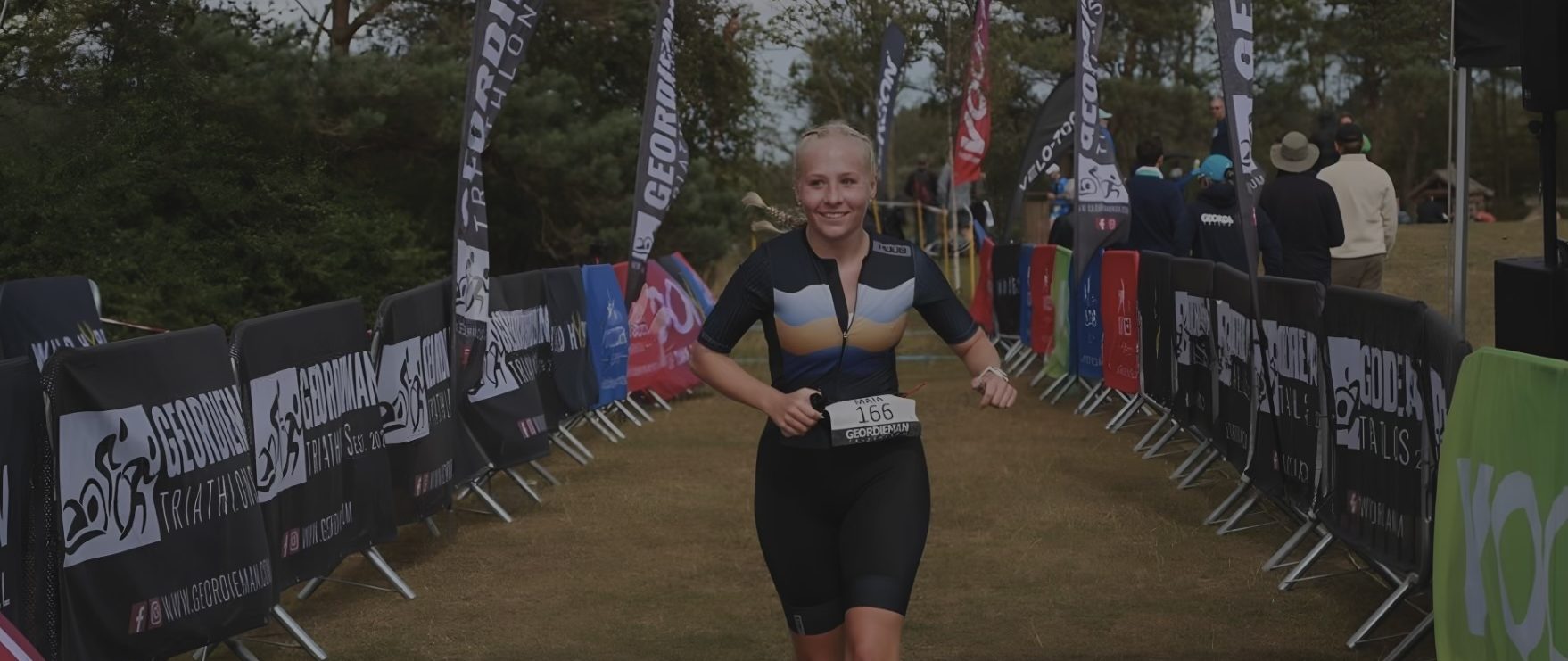
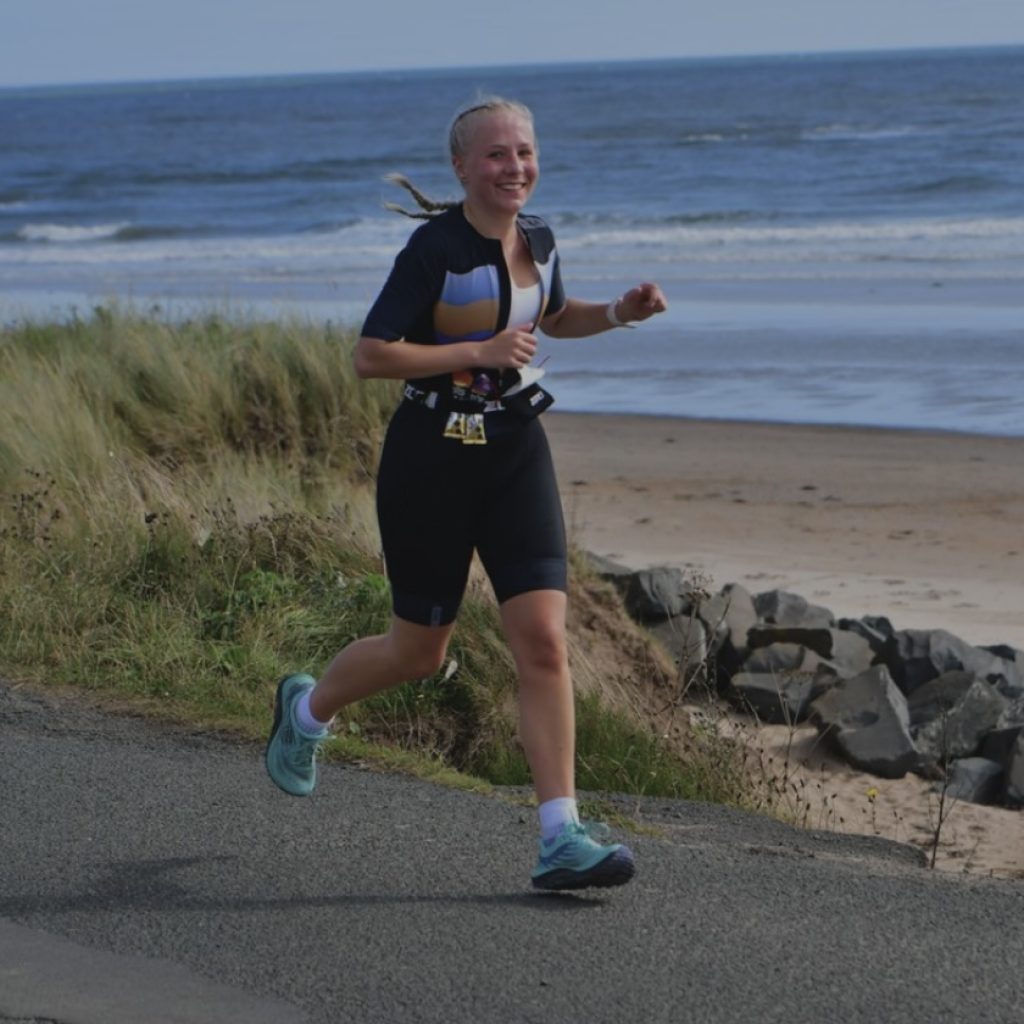
Last summer, I completed an Ironman 70.3 after four months of training. I had never done a triathlon before, and I didn’t follow a formal training plan or work with a coach. All of my training was self-directed and fitted around day-to-day life whilst trying to avoid burnout. This challenge gave me a whole new level of appreciation for not only what my body was capable of but also the dedication and motivation it took to train.
I wanted to share my journey and encourage others who are thinking about signing up for an event to do it because if I can do it so can you!
My Background (and What Was New)
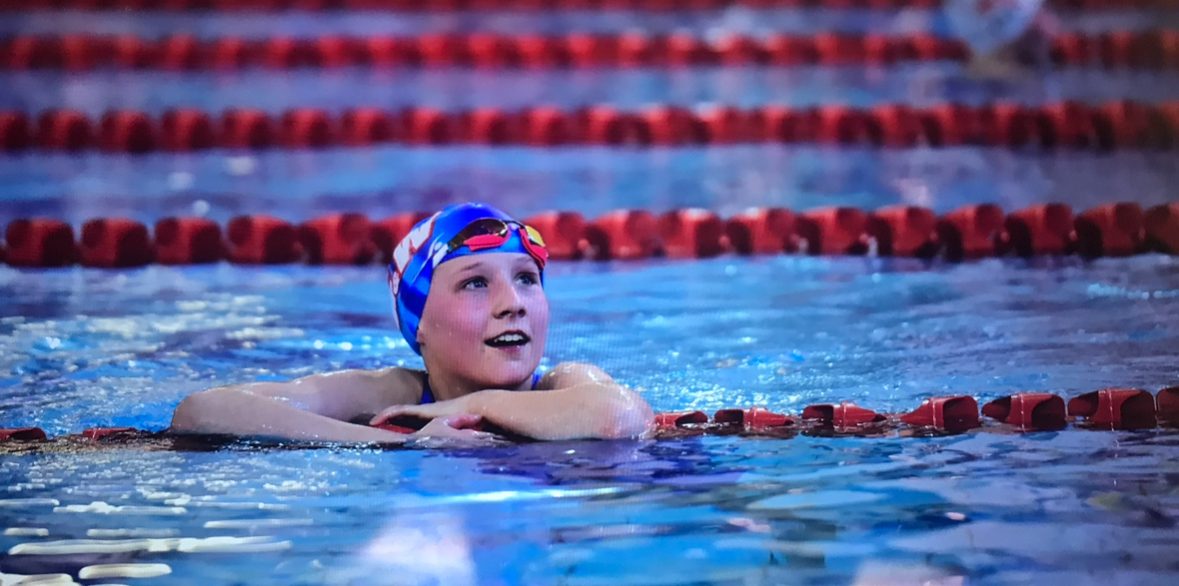
Growing up, I was a competitive swimmer until I stopped at 15 and ran for my local harrier league throughout school. I always stayed active, which gave me a decent base of fitness and training awareness.
However, triathlon introduced completely new challenges.
Before training:
- I had never swum in open water
- I had never ridden a road bike or worn cleats
- I had never run further than 10 km
- I had never competed in a triathlon
Training Without a Plan
Without a structured training plan, a lot of the process involved learning through experience.
I had to:
- Balance three disciplines without overloading any one area
- Learn pacing and fueling through trial and error
- Adjust training around fatigue, work, and recovery
- Accept that not every week would look “perfect”
Consistency mattered more than optimisation.
The Role of Strength Training
One thing I did prioritise alongside swim, bike, and run training was regular strength work in the gym.
Maintaining strength training helped:
- Build resilience through the hips, hamstrings, and calves
- Support posture and control during longer sessions
- Reduce the overall risk of injury during higher training volumes
Even with this in place, I still picked up a hamstring injury about a month out from the race, which forced me to stop running for three weeks. That experience reinforced how important strength training is – not as a guarantee against injury, but as a key part of long-term durability. The strength training also allowed me to bounce back only 3 weeks after my injury and didn’t have an effect on my long term goal.
Managing a Setback Close to Race Day
The hamstring injury meant there was no option to increase run volume late on. Having never run more than 10 km before starting training, that was difficult to accept.
The focus became:
- Maintaining swim and bike fitness
- Letting the injury settle properly
- Adjusting expectations rather than forcing progress
Race Day Reality
On race day, the aim was simple: stay controlled and keep moving.
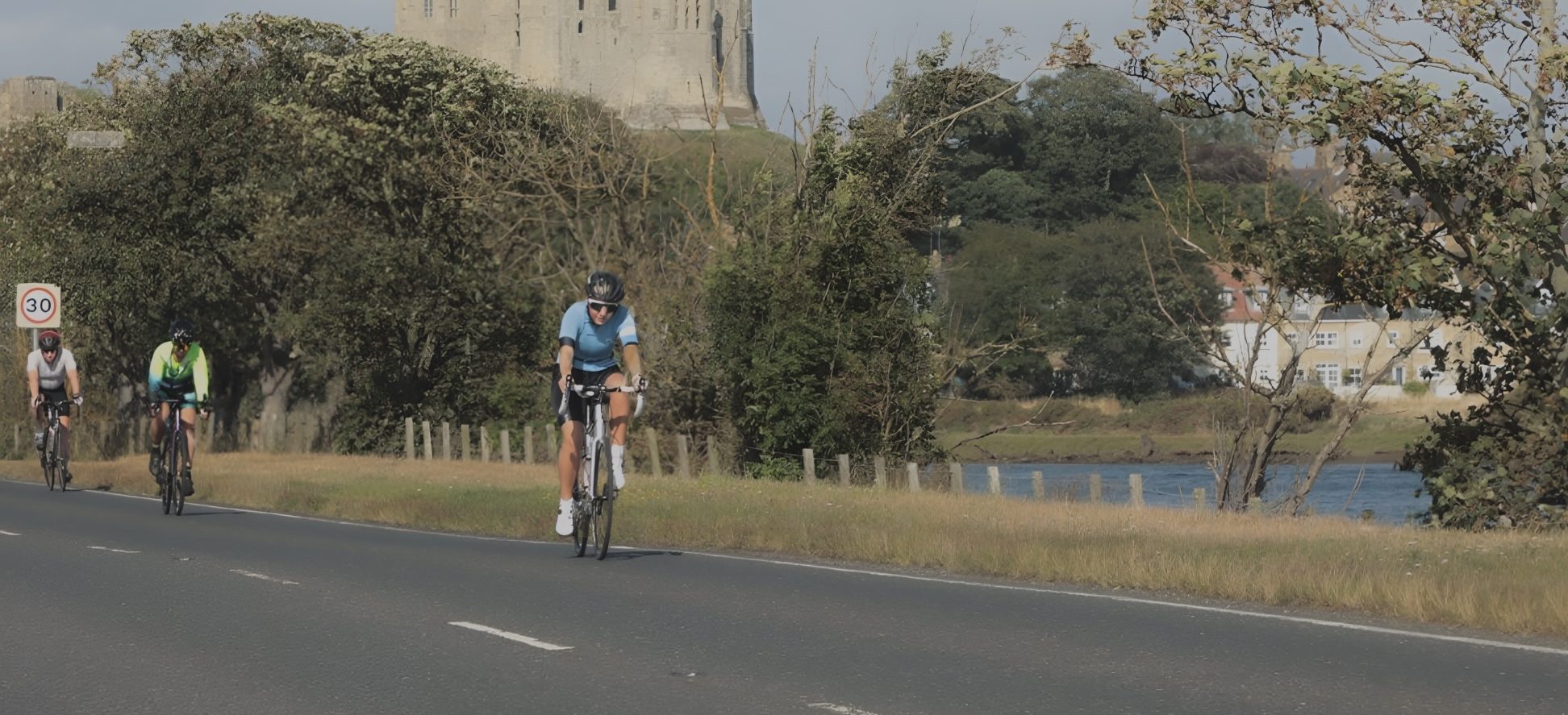
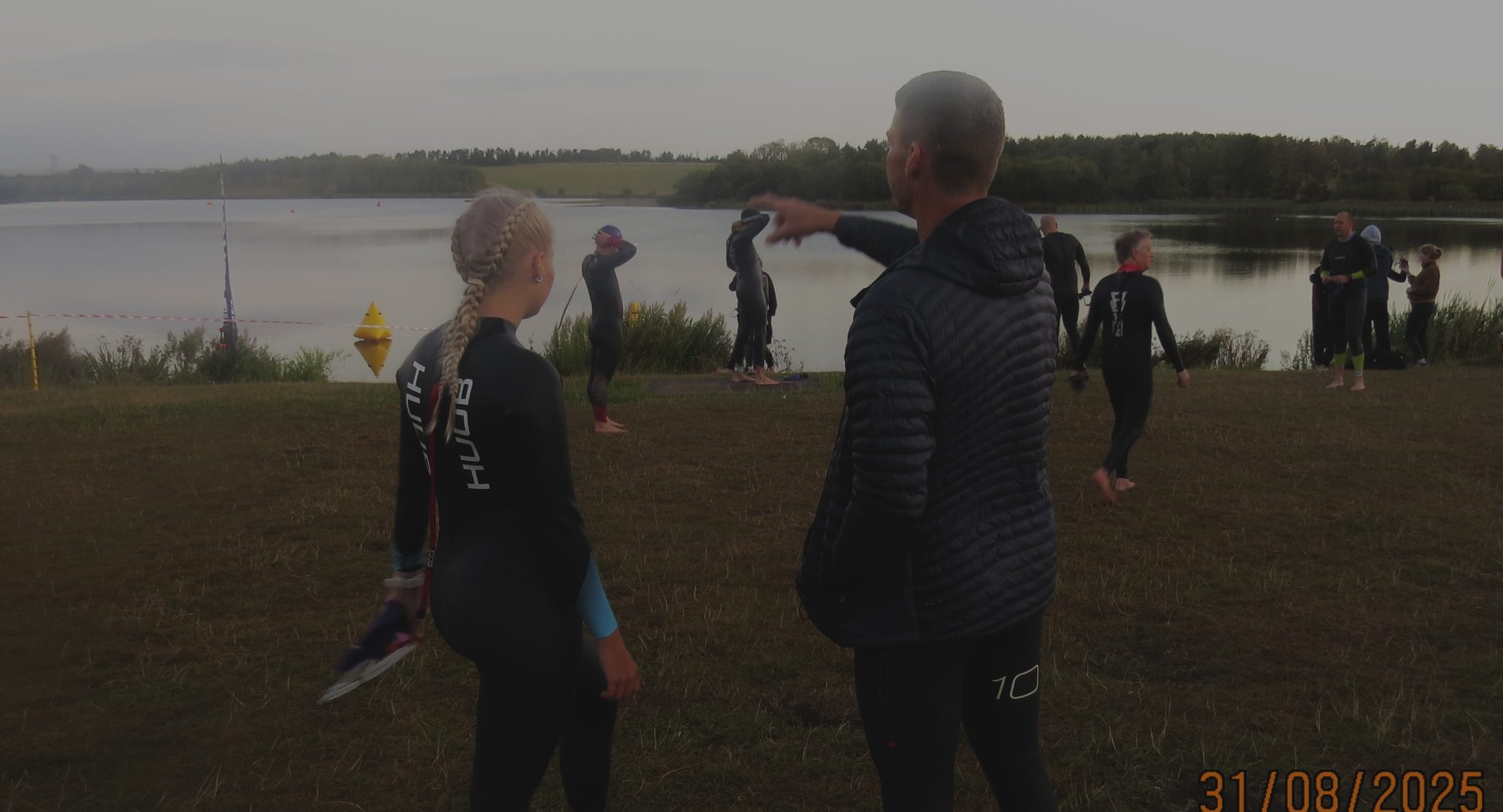
The open water swim was unfamiliar but manageable. The bike leg was paced conservatively with a focus on fueling. The run was about listening to my body rather than chasing a time.
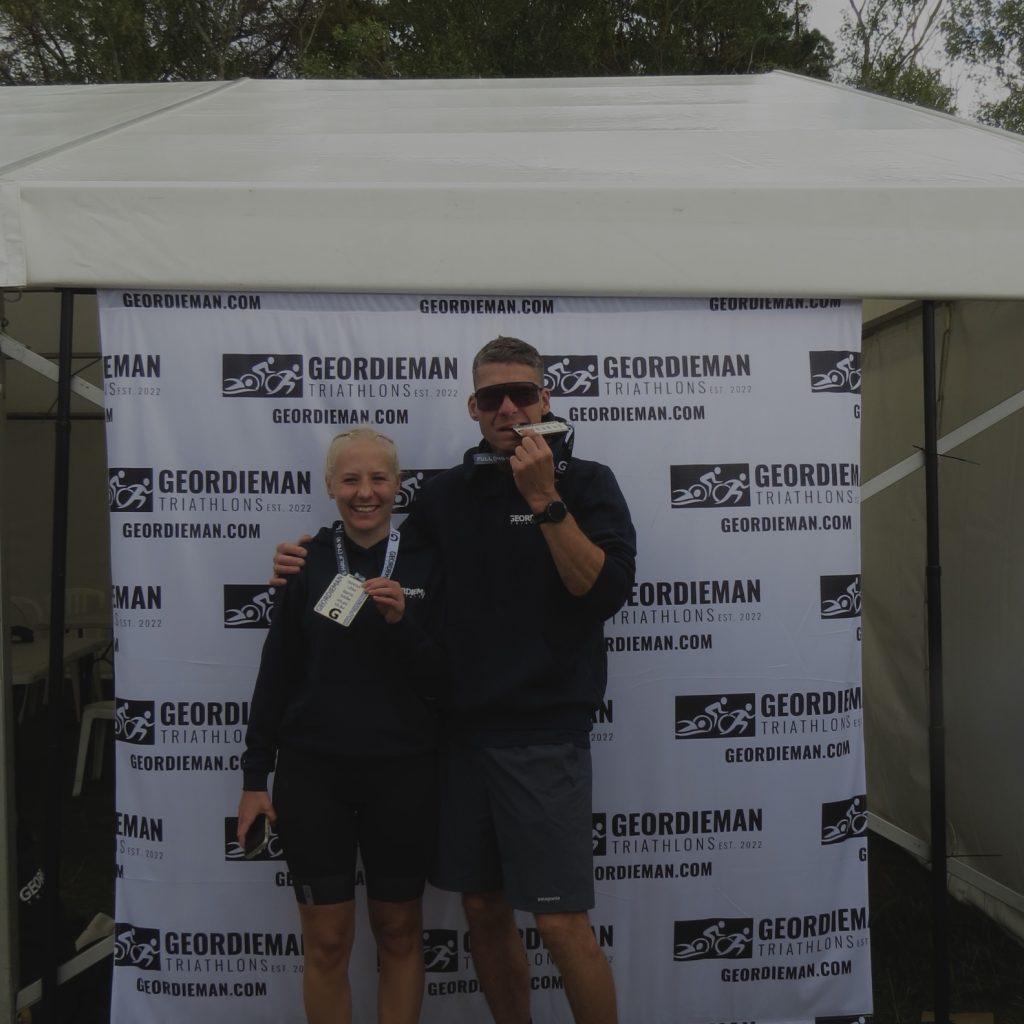
Finishing was simply the result of four months of steady work.
What This Experience Shaped
Training for this event highlighted several things I now apply directly in my coaching:
- Strength training is essential for injury prevention and performance
- Structure and flexibility need to exist together
- Big goals are built through consistency, not extremes
- Progress is possible even when training isn’t perfect
Supporting Others With Similar Goals
This experience is a big reason why I enjoy helping others work towards challenging goals – whether that’s a first endurance event, a long-distance run, or simply improving overall fitness.
I support clients by:
- Building structured but realistic training plans
- Integrating strength training to reduce injury risk
- Adjusting training around real-life commitments
- Helping people progress with confidence, not pressure
Final Thoughts
This was my first triathlon, first open water swim, and first time on a road bike – all while training independently and managing an injury close to race day.
It wasn’t polished, but it was achievable.
And that’s the approach I bring to coaching.
Message me for more information about coaching and training support !
Email – maia@soundmindandbody.co.uk
Instagram – @trainwithmaia.pt