Author

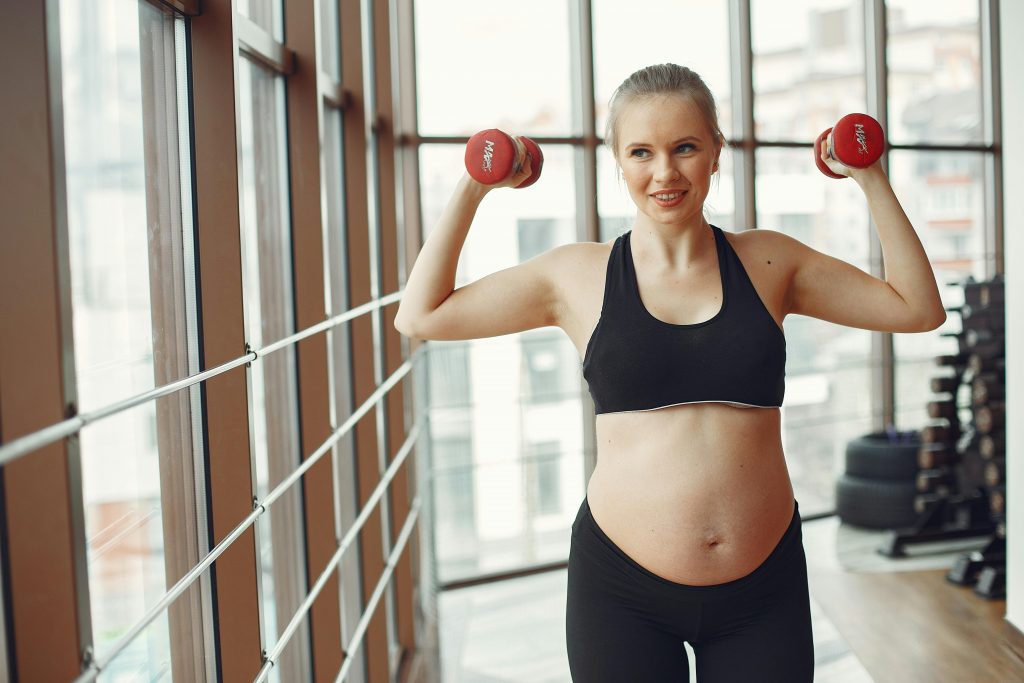
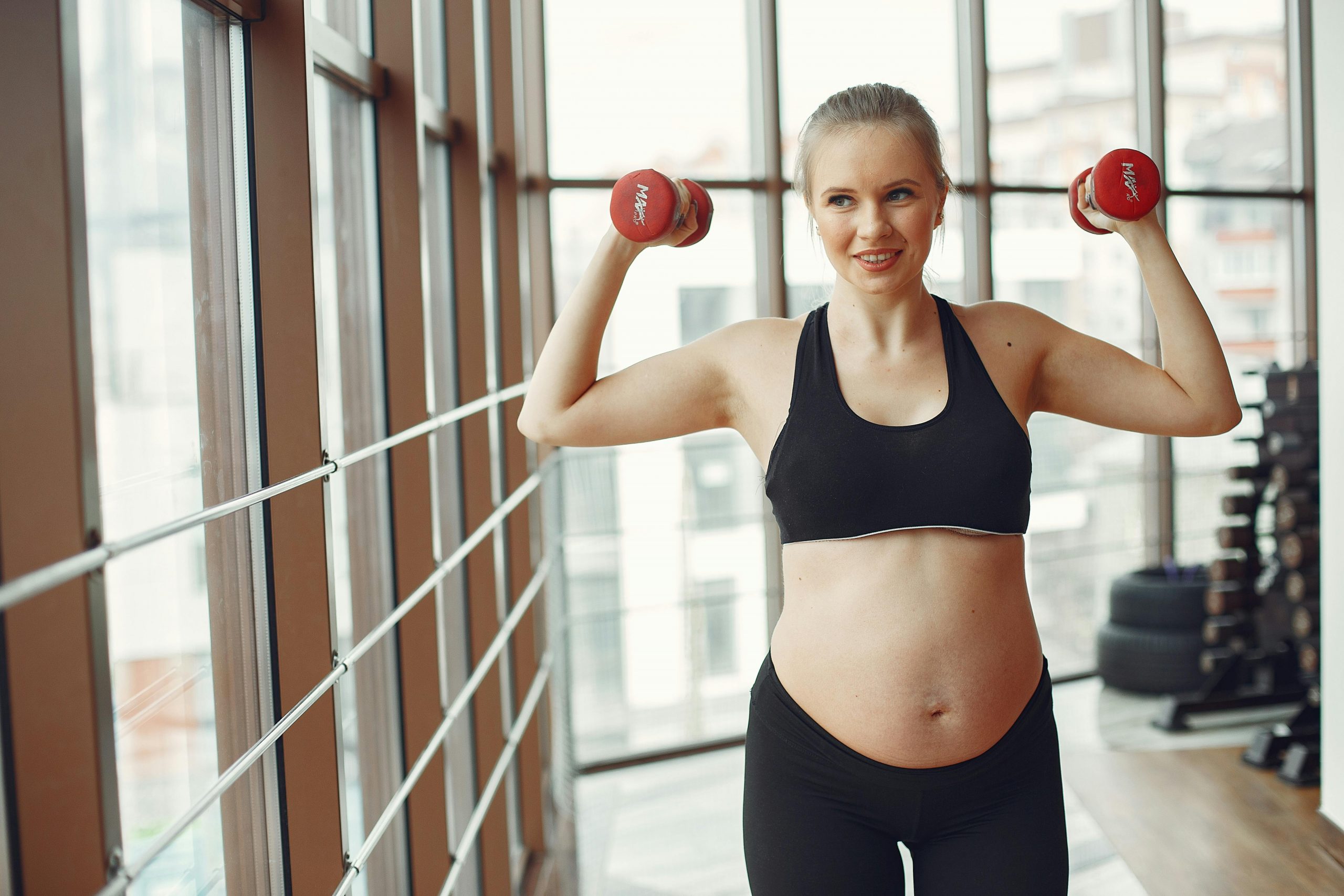
Pregnancy and the postnatal period can come with a lot of mixed messages around exercise – what’s safe, what’s not, and whether you should even be training at all.
To make sure we’re giving our clients the best possible support, I recently attended a prenatal and postnatal training workshop with @strongafmums (Collette Pryer). The workshop focused on evidence-based training during pregnancy, postnatal recovery, pelvic floor and core function, and how to safely adapt exercise for every stage.
The biggest takeaway?
Women don’t need to stop exercising – they need the right support.
Training During Pregnancy: Moving With Confidence
Prenatal training isn’t about pushing limits or chasing PBs. It’s about feeling strong, comfortable, and confident in your changing body.
When programmed correctly, exercise during pregnancy can:
- Help reduce back, hip, and pelvic discomfort
- Improve posture and movement as your body changes
- Boost energy levels and mood
- Maintain strength for everyday life
- Support preparation for labour and recovery
What Does Prenatal Training Look Like?
Every pregnancy is different, so training is always individual. Sessions are adapted based on trimester, symptoms, training experience, and how you’re feeling on the day.
Prenatal sessions often include:
- Strength work for glutes, hips, back, and upper body
- Core exercises focusing on deep abdominal muscles
- Pelvic floor awareness and breathing
- Low-impact cardio options
- Mobility work to ease tight or achy areas
Exercises are modified to avoid unnecessary strain, breath holding, or pressure on the abdomen and rest is always encouraged when needed.
Postnatal Training: Rebuilding From the Inside Out
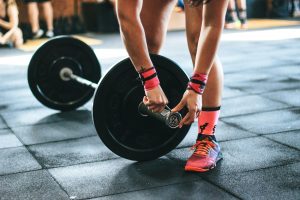
After having a baby, many women feel unsure about when or how to return to exercise and that’s completely normal.
Postnatal training is not about rushing back. It’s about gradually rebuilding strength, confidence, and trust in your body.
Why Postnatal Training Is So Important
Postnatal exercise can:
- Restore core and pelvic floor function
- Improve posture after pregnancy and feeding
- Reduce aches and pains
- Rebuild strength and energy levels
- Support mental wellbeing and confidence
How We Approach Postnatal Training
Postnatal training starts gently and progresses at a pace that suits you, not a timeline.
We focus on:
- Breathing and deep core reconnection
- Pelvic floor strengthening
- Gradual return to full-body strength training
- Managing abdominal separation (diastasis recti)
- Reintroducing impact safely, when appropriate
Progress is always based on how your body responds- not how many weeks post-birth you are.
A Supportive, Non-Judgemental Space
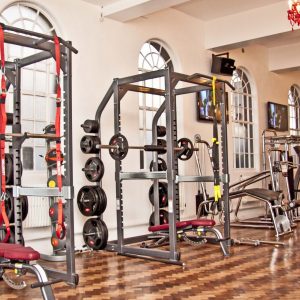
At Sound, Mind and Body, we understand that pregnancy and postnatal training can feel intimidating, especially if you’re unsure where to start or worried about doing the “wrong” thing.
Our goal is to create a space where you feel:
- Supported and listened to
- Confident asking questions
- Comfortable training at your own pace
- Encouraged, not pressured
Whether you’re completely new to exercise or returning after years of training, you’ll be met exactly where you are.
Final Thoughts
Prenatal and postnatal training isn’t about limitations – it’s about smart, supportive movement that helps you feel strong through pregnancy and beyond.
If you’re pregnant, recently postnatal, or unsure how to return to training safely, we’d love to support you.