
Author


I recently read an article in The Times about managing chronic pain, and this is what I found:
Most people think pain is simple: Something hurts = something is damaged
But modern pain science tells a very different story. Experts like Rachel Zoffness describe pain as “biopsychosocial”, meaning it’s influenced by:
- Physical factors (injury, inflammation)
- Psychological factors (thoughts, fear, stress)
- Social and lifestyle factors (sleep, environment, habits)
In other words: pain is real, but it’s not just about tissue damage.
Pain is an Interpretation, Not Just an Injury
Pain is your brain’s way of asking: “Am I safe?”
It’s a protective system, like an alarm.
But sometimes that alarm becomes overprotective, especially in chronic pain.
- You can have pain without clear damage
- You can have damage without pain
A powerful example often used is elite athletes, even Usain Bolt has structural spinal changes but performed at the highest level with minimal pain.
So structure alone doesn’t explain pain.

Why Chronic Pain Sticks Around
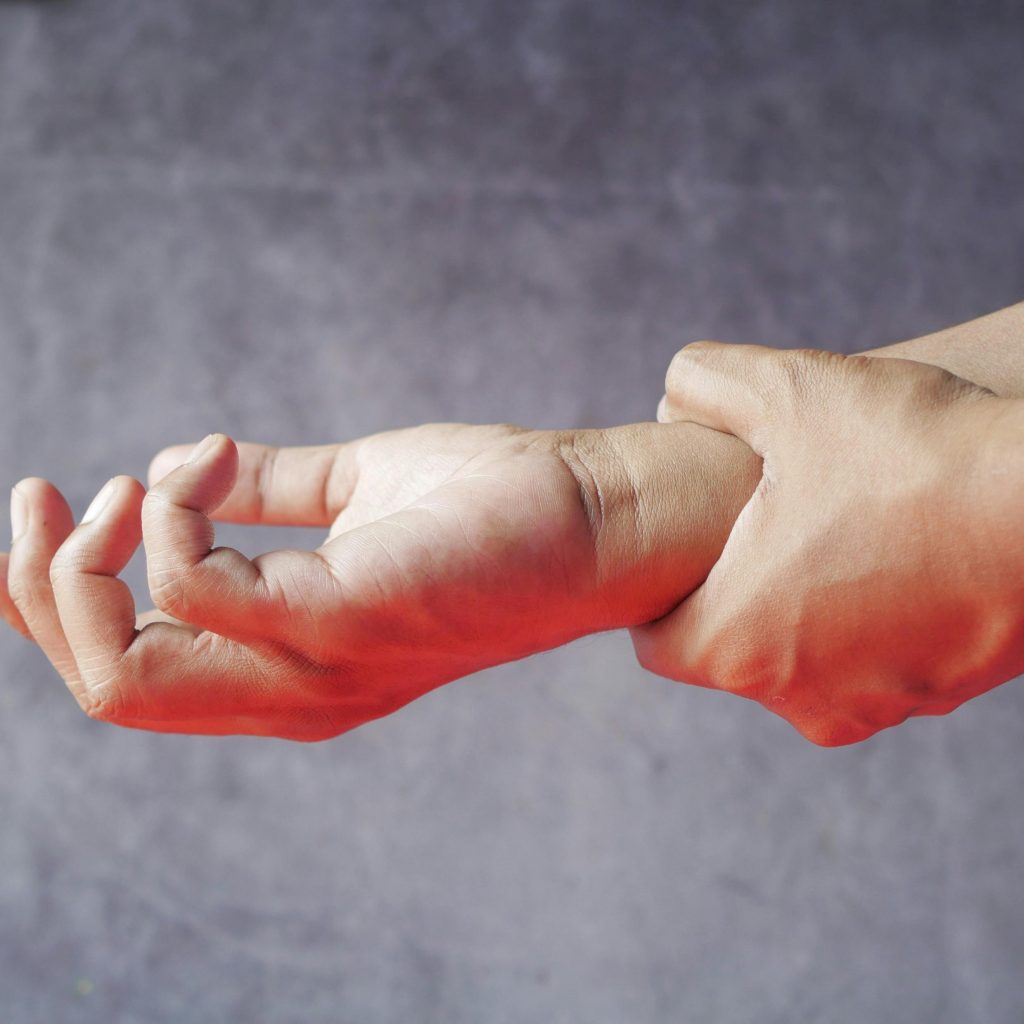
Chronic pain (pain lasting 3+ months) often continues even after tissues heal.
Why?
Because the nervous system learns pain.
Just like learning a skill:
- The more it’s repeated
- The stronger the pathway becomes
Over time, the body can get stuck in a “high-alert” mode.
The pain becomes less about injury, and more about sensitivity.
The Problem With “Just Rest”
For acute injuries, rest is important.
But for long-term pain?
Too much rest can actually:
- Increase stiffness
- Reduce strength
- Increase fear of movement
- Make pain worse
This creates a cycle:
Pain → avoid movement → decondition → more pain
Where Exercise Comes In
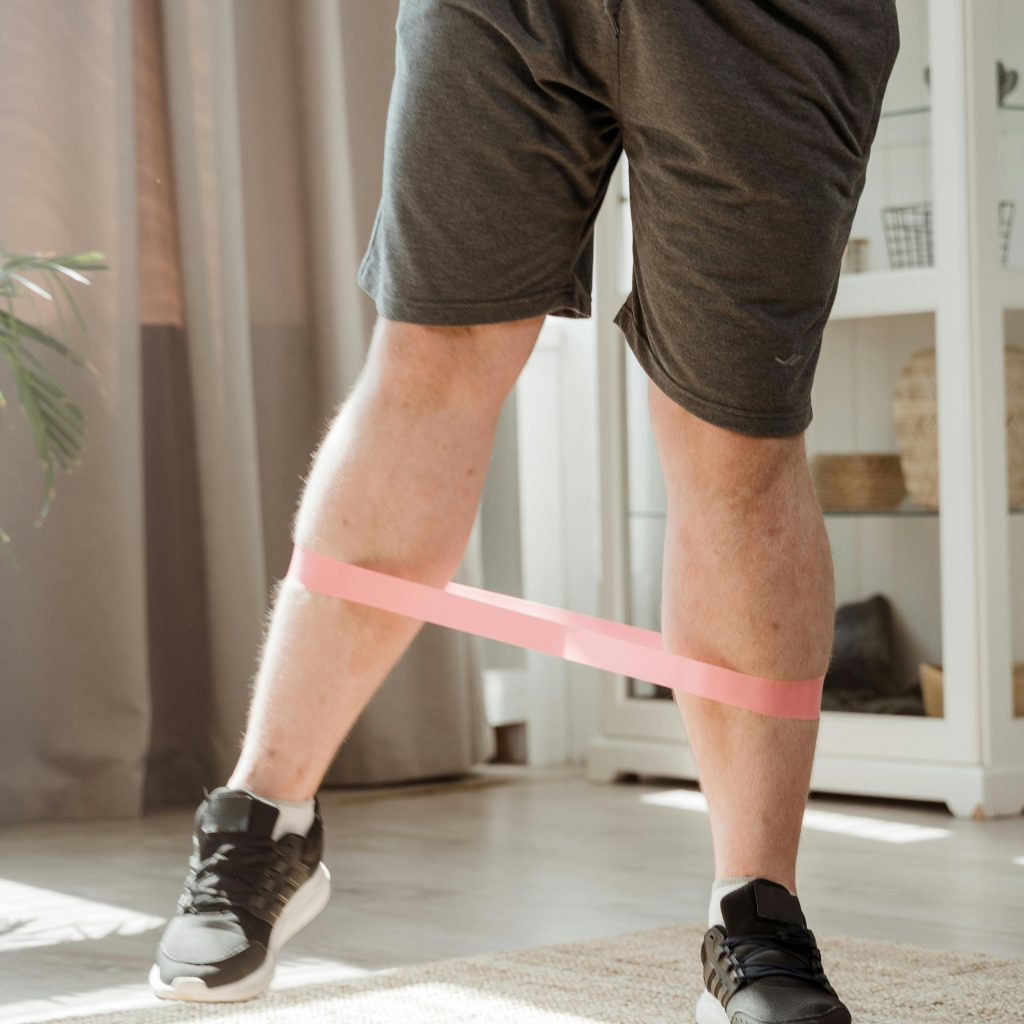
This is where exercise becomes one of the most powerful tools we have.
Not by “pushing through pain” – but by retraining the system.
Exercise as a Pain Management Tool
1. It Calms the Nervous System
Exercise helps tell the brain:
“You’re safe to move”
Over time, this reduces pain sensitivity.
2. It Breaks the Fear Cycle
Many people develop a “pain voice”:
“Don’t move – you’ll make it worse”
But avoiding movement reinforces that fear.
Gradual exercise helps rebuild:
- Confidence
- Trust in the body
- Normal movement patterns
3. It Rebuilds Strength and Function
Weak, deconditioned muscles can increase strain and discomfort.
Exercise:
- Improves joint support
- Reduces load on sensitive areas
- Makes everyday tasks easier
4. It Reduces Stress (Which Reduces Pain)
Stress, anxiety, and pain are closely linked.
The same brain systems that process emotion also process pain.
Exercise helps:
- Lower stress hormones
- Increase endorphins (natural painkillers)
- Reduce muscle tension

The Key Concept: Pacing
One of the most important ideas from modern pain science is pacing.
Start small, build gradually.
This might look like:
- Week 1: short walks or light movement
- Week 2: slightly longer or more frequent
- Gradually increasing over time
This teaches the brain:
“Movement is safe again”
What About Pain During Exercise?
This is where nuance matters.
🚫 Don’t:
- Push through sharp, intense pain
- Ignore clear injury signals
✅ Do:
- Adjust load, range, or technique
- Work around pain (not into it)
- Keep movement comfortable and controlled
Even small tweaks, like reducing depth in a squat or switching exercises can make a huge difference.
The Mental Side Matters Too
Pain isn’t just physical so management shouldn’t be either.
Strategies that help include:
- Breathing exercises
- Mindfulness
- Distraction (e.g. music, training environment)
- Reducing stress triggers (like poor sleep or constant screen time)
These aren’t “soft” options – they’re evidence-based ways to lower pain sensitivity.
Final Takeaway
Pain is not just about damage it’s about how the brain and body interact.
And that means:
Movement isn’t the enemy
Avoidance isn’t the answer
Exercise, done right, is part of the solution
For many people, training isn’t just about getting fitter.
It’s about getting their life back.