Author

By Maia Stovold | Personal Trainer and Sport and Exercise Science Student | trainwithmaia.pt
If you have spent years telling yourself that you have left it too late, that your body is too old, too stiff, too far gone to benefit from exercise, this blog is written specifically for you. Because the evidence is clear, consistent, and genuinely remarkable: the human body responds to exercise at every age. Not just a little. Meaningfully. Measurably. In ways that change daily life.
Whether you are 50 and thinking about getting started for the first time, 65 and coming back after years away from exercise, or 75 and wondering if it is even worth trying, the answer from sports science is the same. Yes. Start. Now. The timeline is shorter than you think and the benefits arrive faster than most people expect.
The best time to start exercising was twenty years ago. The second best time is today. And the science backs that up completely.
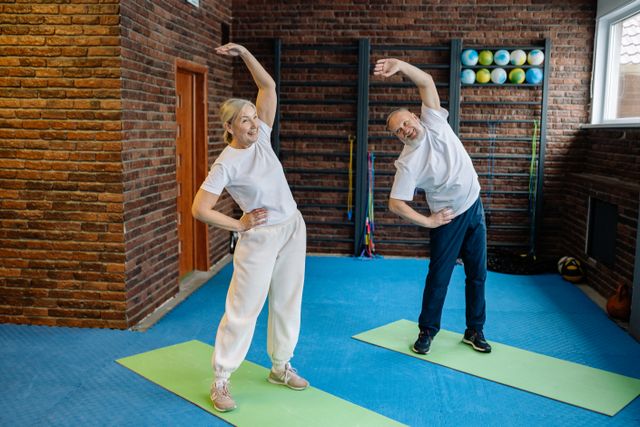
What the Research Actually Says
The idea that exercise is only valuable for young people or that starting later in life is somehow too late to make a difference is one of the most persistent and damaging myths in public health. It keeps millions of people from starting. And it is simply not supported by the evidence.
| 91% improvement in muscle strength seen in adults over 65 after 12 weeks of resistance training in a JAMA study | 5 years added to life expectancy in adults who begin regular exercise in their 60s, according to Harvard research | 30% reduction in all-cause mortality risk for previously sedentary adults who become active later in life | Any age at which the body can build new muscle, improve bone density, and enhance cardiovascular fitness |
| What the research consistently shows across age groups Adults who take up exercise in their 50s and 60s reduce their risk of heart disease, type 2 diabetes, stroke, and some cancers to levels approaching those of people who have exercised their whole lives. Muscle can be built and bone density can be improved at any age, including in the 70s, 80s, and 90s. Cognitive decline is significantly slowed by regular exercise and benefits appear even when exercise begins later in life. Depression and anxiety in older adults respond to exercise as effectively as medication in multiple clinical trials. Balance and coordination improve with training regardless of starting age, directly reducing fall risk. The cardiovascular system adapts to aerobic exercise even in very old age heart function, blood pressure, and circulation all improve. Quality of life, independence, and functional ability are all measurably better in older adults who exercise compared to those who do not, regardless of when they started. |
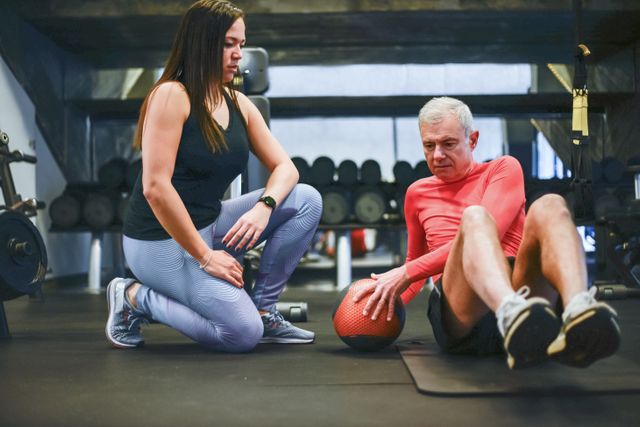
The Myths That Stop People Starting
Before getting into the detail of what exercise does for you later in life, it is worth addressing the most common reasons people give for not starting. Because most of them are myths and dismantling them is the first step.
| The myth I am too old for exercise to make a difference to my body. | The truth The body adapts to exercise stimulus at every age. Muscle grows in response to resistance training whether you are 25 or 85. The rate of adaptation may be slightly slower in older adults but the response is real, measurable, and meaningful. |
| The myth I will injure myself if I start exercising at my age. | The truth The risk of injury from appropriate, progressive exercise is low at any age. The risk of not exercising falls, fractures, cardiovascular disease, muscle loss, metabolic decline is far higher. Starting carefully, with good guidance, is safe. |
| The myth I have never really exercised. It is too late to start now. | The truth Previously sedentary adults see some of the largest gains when they begin exercising because they have the most room to improve. The body responds to a new challenge, and a new exerciser at 60 is a completely new challenge for a body that has been sedentary. |
| The myth My joints are too stiff and sore. Exercise will just make it worse. | The truth For the vast majority of joint pain conditions, including osteoarthritis, the evidence shows that appropriate exercise reduces pain and improves function rather than worsening it. Joints need movement and the muscles around them need strength. Rest often makes joint pain worse over time. |
| The myth I just need to do a bit of gentle walking. Anything more than that is not for me. | The truth Walking is valuable and should not be underestimated. But for bone density, muscle mass, fall prevention, and metabolic health, resistance training adds benefits that walking alone cannot provide. Both are important. You do not have to choose. |
Starting is the hardest part. Not physically. Psychologically. The body is ready long before the mind decides to let it try.
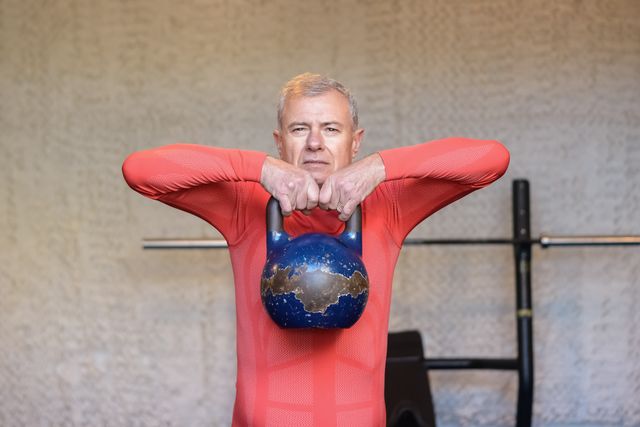
What Actually Happens in Your Body When You Start Exercising Later in Life
Understanding what exercise does physiologically makes it easier to appreciate why it is never too late. These are not vague wellness benefits. These are specific, measurable adaptations that happen in the body at any age.
Muscle Grows at Any Age
Sarcopenia, the age-related loss of muscle mass is not inevitable in the way most people assume. It is heavily influenced by activity levels. When you resistance train, the mechanical stress placed on the muscle fibres triggers a cascade of cellular responses that lead to muscle protein synthesis- the process by which muscle tissue is built and repaired. This process is active at any age.
Studies have shown that adults in their 60s, 70s, and 80s who begin resistance training build muscle at rates that, while somewhat slower than in younger adults, are absolutely meaningful. More muscle means a faster metabolism, better blood sugar regulation, more physical capacity, and a greater ability to do the things that make daily life enjoyable.
Bones Respond to Load
Bone tissue is living tissue. It responds to mechanical stress by laying down new bone – a process called bone remodelling. When resistance training places load on the skeleton, the bone-forming cells called osteoblasts are stimulated to produce new bone tissue. This happens even in older adults, even in those who have already experienced some bone density loss.
This is why weight-bearing and resistance exercise is consistently recommended for osteoporosis prevention and management. Walking is weight-bearing, which is why it has some bone benefit. But resistance training (squats, deadlifts, lunges, pressing movements) places greater mechanical load on the bones and produces greater stimulation of the remodelling process.
The Heart and Lungs Adapt
Cardiovascular fitness declines with age. But it also responds to training at any age. Aerobic exercise makes the heart stronger and more efficient, improves the flexibility of blood vessels, lowers resting blood pressure, and improves the body’s ability to extract and use oxygen.
The Brain Changes
Exercise is one of the most powerful tools available for brain health. Physical activity stimulates the production of brain-derived neurotrophic factor , BDNF, a protein that supports the growth, maintenance, and connectivity of brain cells. It also increases blood flow to the brain, reduces inflammation, and supports the production of neurotransmitters like serotonin and dopamine.
For older adults, the cognitive implications of this are significant. Multiple large studies have found that regular exercise reduces the risk of dementia, slows cognitive decline, and improves memory, attention, and executive function in people who are already experiencing mild cognitive changes. Starting exercise later in life does not eliminate these benefits, the brain remains responsive to the stimulus of physical activity throughout life.
Balance and Coordination Improve
Balance is a skill. Like all skills, it can be trained and improved. The neural pathways that coordinate balance, proprioception (the body’s sense of its position in space), and reactive responses respond to exercise at any age. Older adults who begin balance and strength training show measurable improvements in stability within as little as six to eight weeks.
This matters enormously for fall prevention. Falls are the leading cause of injury-related death in adults over 65. Better balance directly reduces fall risk, and better strength means that when a stumble does happen, the body has the reactive capacity to catch itself before a fall occurs.
Mood and Mental Health Improve
The mental health benefits of exercise are well documented and not age-dependent. Exercise reduces cortisol, the stress hormone, and increases serotonin, dopamine, and endorphins, the neurotransmitters associated with mood, motivation, and wellbeing. For older adults, who are at elevated risk of depression and social isolation, the psychological benefits of a regular exercise routine are as significant as the physical ones.
Multiple clinical trials have found exercise to be as effective as antidepressant medication for mild to moderate depression in older adults. It is not a replacement for medical care. But it is a genuinely powerful intervention for mental health, and the benefits appear regardless of when exercise begins.
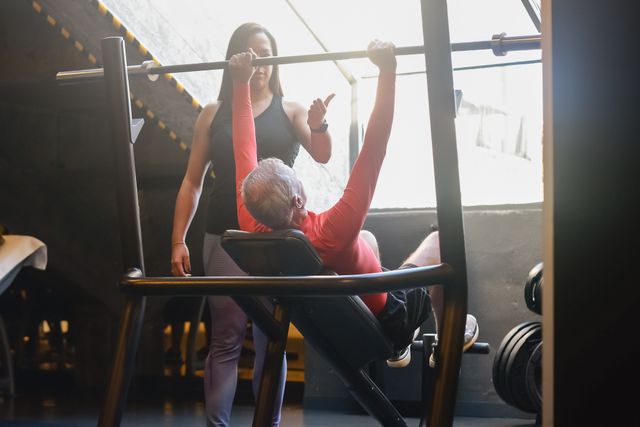
How Long Does It Take to See Results?
This is the question most people want answered before they commit to starting. And the honest answer is: faster than you probably think.
| What to expect and when Week 1 to 2: you will feel more energised after sessions. Sleep quality often improves within the first two weeks. These are nervous system adaptations, the body becoming more efficient at using the muscles it already has.Week 2 to 4: coordination and movement confidence improve noticeably. Balance exercises that felt impossible in week one start to feel manageable. This is neuromuscular adaptation, the brain and nervous system learning to coordinate movement better.Week 4 to 8: measurable strength gains become apparent. You will notice that exercises that felt hard are now easier, and that you need more resistance to create the same challenge. Actual muscle tissue is beginning to grow.Week 8 to 12: body composition begins to shift, not dramatically, but noticeably. Energy levels throughout the day improve. The physical tasks of daily life, stairs, carrying shopping, getting up from the floor, start to feel easier.3 to 6 months: significant, visible changes in strength, fitness, and physical capacity. This is the stage where most people say they cannot imagine going back to how they felt before.6 to 12 months: bone density improvements become measurable on a DEXA scan. Cardiovascular markers improve. The long-term protective effects against disease, cognitive decline, and functional loss are being built. |
The timeline matters because it sets realistic expectations. The first two weeks can feel like nothing is happening but neurologically, everything is happening. The body is learning. Give it time.
Where to Start : Practically and Simply
The most common reason people do not start is not that they do not want to. It is that they do not know how. So here is a straightforward starting framework for anyone beginning exercise later in life.
Start with two sessions per week
Two sessions per week is enough to produce meaningful adaptations in someone new to exercise. It is not overwhelming, it is easy to schedule, and it allows adequate recovery between sessions. Building to three sessions over time is ideal but two is a perfectly good starting point.
Focus on fundamental movement patterns
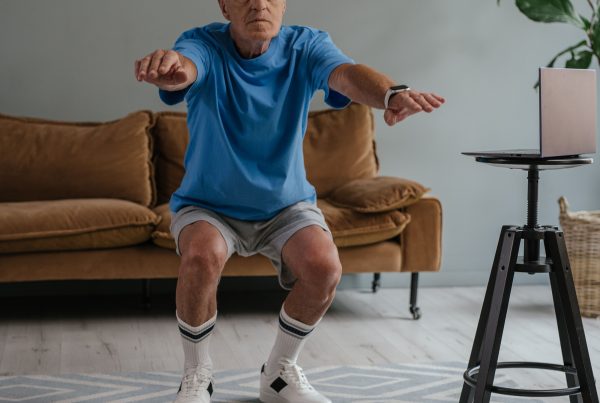
You do not need a complicated programme. You need to practise the movements that the human body is designed to do: squat (sitting and standing), hinge (bending at the hip to pick things up), push (pressing away from the body), pull (drawing things toward the body), and carry (walking with weight). These five patterns, trained progressively, build the strength needed for a full and active life.
Progress gradually
The word progressive is one of the most important in exercise science. Every session or every week, aim to do a little more than last time, one more repetition, a slightly heavier weight, a slightly longer hold. This gradual progression is what drives the body to keep adapting. Without it, improvement stalls. With it, the gains continue for months and years.
Get guidance at the start
Even just two or three sessions with a qualified personal trainer at the beginning can make an enormous difference. Learning the fundamental movement patterns correctly from the start prevents injury, builds confidence, and makes everything that follows more effective. You do not need a trainer forever. But a good foundation at the start is one of the best investments you can make.
Do not ignore how you feel
Starting exercise later in life requires listening to your body. Muscle soreness in the day or two after a session is normal and expected. Sharp pain during a movement, joint swelling, or pain that persists beyond 48 hours are signs to stop and seek advice. There is an important difference between the discomfort of effort and the signal of something wrong. Learning to distinguish between them is part of becoming a more body-aware exerciser.
It is never too late. Start today.
| About the Author Maia Stovold is a qualified Personal Trainer and Sports Massage Therapist based in Newcastle, UK, and a Sport and Exercise Science student. She specialises in beginner strength, endurance training, running coaching, and older adult fitness. She is an Ironman 70.3 finisher and competitive runner. Instagram: @trainwithmaia.pt | Email: maia@soundmindandbody.co.uk | trainwithmaia.pt |
trainwithmaia.pt